Community Lead der AI Alliance, des Open-Source-KI-Konsortiums für Modelle, Daten, Evaluation und Sicherheit. Ich habe sie auf über 15 internationalen Konferenzen vertreten — darunter NeurIPS und FOSDEM — und Dutzende Meetups in Nordamerika und Europa von A bis Z organisiert. KI-gestütztes Prototyping und Webentwicklung, Automatisierung des Community-Betriebs.
Open Source Science (OSSci)
Community Lead, IBM Research ·2022 – 2025
Ich half beim Start und Aufbau von OSSci, einer von IBM geförderten NumFOCUS-Initiative, die quelloffene Forschungssoftware mit den Forschenden verbindet, die auf sie angewiesen sind. Programmdesign, globale Ökosystem-Arbeit.
IBM Data Science Community
Community Program Manager, IBM ·2019 – 2022
Community-Spezialist im Team der IBM Data Science Community, verantwortlich für den täglichen Betrieb in einer frühen Wachstumsphase. Ich half, die Marke von 25.000 Mitgliedern zu überschreiten, und baute das globale Meetup-Programm auf.
Ich bin weder Webentwickler noch Softwareentwickler — dass ich diese neuen KI-Superkräfte in die Hand bekommen habe, ist schlicht großartig. Seit Ende 2024 habe ich mit KI-gestützten Werkzeugen — Lovable, Claude Code und anderen — eine ganze Reihe (sozialer) Web-Apps gebaut, für die unterschiedlichsten Anwendungsfälle.
Jedes Projekt wird von einem eigenen KI-Agenten geführt. Alle teilen eine versionierte Bibliothek von Standards: Stellt ein Projekt fest, dass eine Regel falsch ist, erreicht die Korrektur alle anderen.
In einigen Projekten übernehmen KI-Agenten die automatisierte Websuche und Datenverarbeitung.
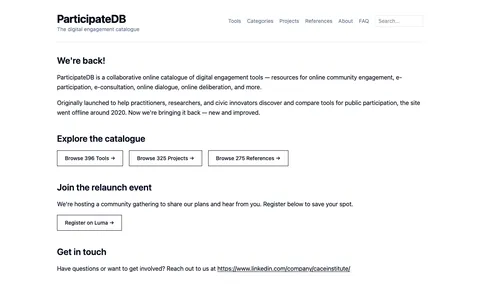
Das umfassendste globale Verzeichnis von E-Partizipations-Tools, -Projekten und -Referenzen. Ursprünglich im September 2009 gestartet, ging die Seite um 2021 wegen Wartungsproblemen offline — und nahm ein Jahrzehnt institutionelles Gedächtnis des Feldes mit. Den Katalog per Skript aus Archive.org-Snapshots rekonstruiert und die App rückentwickelt: 396 Tools, 327 Projekte, 276 Referenzen.
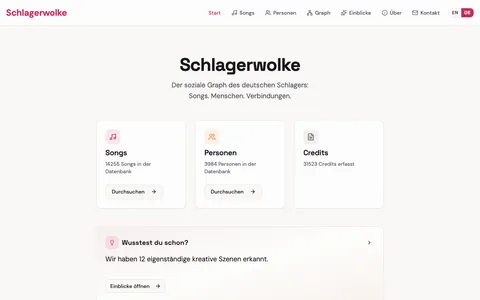
Der Social Graph deutscher Schlager-Credits: wer was geschrieben hat, wer es gesungen hat und woher die Daten stammen. Aufgebaut und gepflegt von zwei KI-Agenten, die lokal per Cron laufen: Crawler entscheidet, was sich zu lesen lohnt, und Sherlock liest es und hält jede Angabe fest — auch die, die dem widerspricht, was schon in der Datenbank steht, denn ein Widerspruch ist ein Datum und kein Fehler. 14.000 Titel, 3.000 Personen, 31.000 Credits, Tendenz steigend (Stand: 29.09.2026), jeweils mit Quelle und Konfidenzwert.
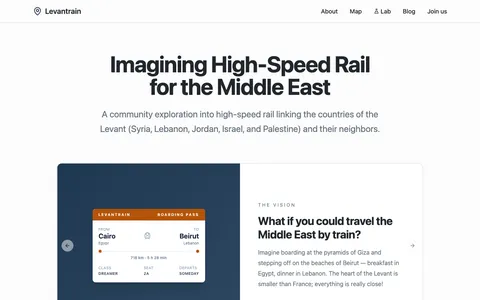
Eine Friedensinitiative mit der Vision eines Nahen Ostens, der durch Hochgeschwindigkeitsstrecken (wieder) verbunden ist. Eine ausgefeilte Georeferenzierungs-Pipeline macht aus gescannten Vermessungskarten des 19. und 20. Jahrhunderts nutzbare Geodaten — mit gemessener Genauigkeit. Jeder Datensatz trägt seine Quelle. Der vollständige Datensatz ist Open Source.
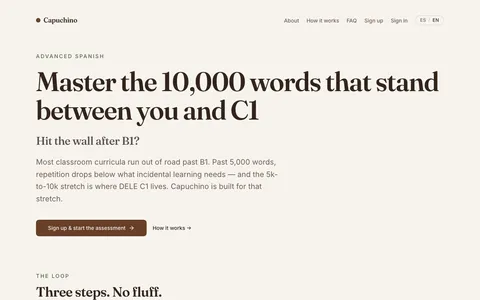
Ein Vokabeltrainer für fortgeschrittene Spanischlernende auf dem Weg zum DELE C1: die 10.000 häufigsten Wörter. Ein kurzer, nach Häufigkeitsbändern geschichteter Test schätzt, wo das eigene Wissen aufhört — die Kante, an die die meisten Lernenden nach B1 stoßen —, und die App arbeitet gezielt den seltenen Wortschatz dahinter durch und exportiert anschließend in das Spaced-Repetition-Tool, das man ohnehin nutzt. Eine separate Python-Pipeline baut und gewichtet die Wortliste. Ich bin selbst die Zielgruppe und entwickle sie entlang meiner eigenen Prüfungsvorbereitung.
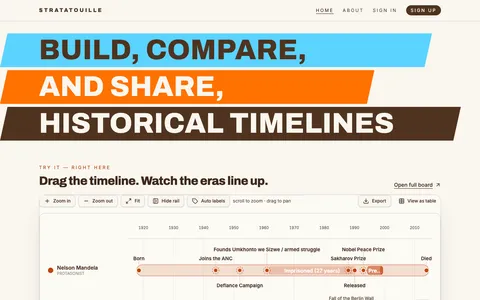
Maßstabsgetreue, mehrspurige Zeitleisten für den visuellen Vergleich — sichtbar machen, was sich womit überschnitten hat. Strukturierte Daten aus Wikidata per Klick importieren; die ganze App läuft zweisprachig auf Englisch und Spanisch.
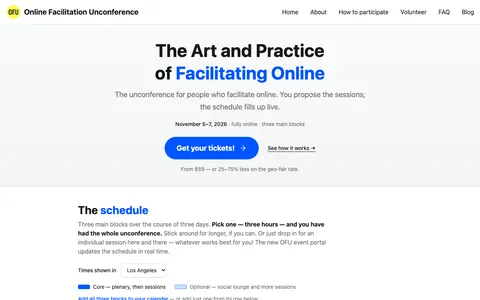
Betriebssystem für die OFU 2026, eine virtuelle Zusammenkunft, die ich 2013 angestoßen habe. Self-Service-Onboarding für Partner und Sponsoren, teilnehmergetriebene Session-Planung im Unconference-Format, Freiwilligenmanagement, automatisch erzeugte Event-Reports.
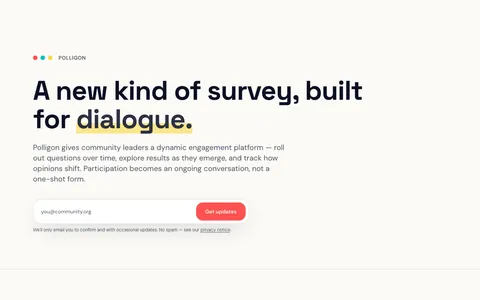
Die Online-Umfrage neu gedacht: Fragen werden nach und nach ausgespielt, Teilnehmende sehen die Ergebnisse entstehen, und Meinungsverschiebungen werden erfasst. Agil, wo die klassische Umfrage Wasserfall ist. Die Spezifikation wurde auf die Probe gestellt, bevor gebaut wurde — eine kritische Durchsicht des Anforderungsdokuments förderte 58 Punkte zutage, 14 davon gravierend genug, um alles aufzuhalten, und alle noch günstig zu beheben.