Responsable de comunidad de la AI Alliance, el consorcio de IA de código abierto que abarca modelos, datos, evaluación y seguridad. La representé en más de 15 congresos internacionales, entre ellos NeurIPS y FOSDEM, y organicé decenas de encuentros de principio a fin en Norteamérica y Europa. Prototipado y desarrollo web asistidos por IA, automatización de las operaciones de comunidad.
Open Source Science (OSSci)
Community Lead, IBM Research ·2022 – 2025
Ayudé a lanzar y construir OSSci, una iniciativa de NumFOCUS patrocinada por IBM que conecta el software científico de código abierto con quienes investigan y dependen de él. Diseño del programa y relación con el ecosistema global.
IBM Data Science Community
Community Program Manager, IBM ·2019 – 2022
Especialista en comunidad del equipo de IBM Data Science Community, a cargo de las operaciones diarias durante una fase temprana de crecimiento. Ayudé a superar los 25.000 miembros y creé el programa global de encuentros.
No soy desarrollador web ni ingeniero de software, así que disponer de estos nuevos superpoderes de IA resulta sencillamente increíble. Desde finales de 2024 he lanzado una variedad de aplicaciones web (sociales) con herramientas asistidas por IA — Lovable, Claude Code y otras —, cubriendo casos de uso muy distintos.
Todos los proyectos parten de la misma base:
Documento de requisitos de producto (PRD) detallado
Mobile first
Accesibilidad (WCAG)
Privacidad desde el diseño
Pruebas automatizadas en todas las rutas críticas
Desarrollado en abierto (especificaciones abiertas, registro de desarrollo abierto)
Y mucho más…
Cada proyecto lo lleva su propio agente de IA. Todos comparten una biblioteca versionada de estándares: cuando uno descubre que una regla está mal, la corrección llega a todos.
En un par de proyectos, agentes de IA se encargan de la búsqueda web automatizada y del procesamiento de datos.
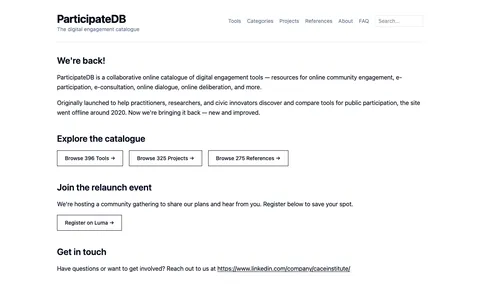
El directorio global más completo de herramientas, proyectos y referencias de participación electrónica. Lanzado en septiembre de 2009, el sitio se apagó hacia 2021 por problemas de mantenimiento y se llevó consigo una década de memoria institucional del campo. Recuperé el catálogo con scripts a partir de instantáneas de Archive.org y reconstruí la aplicación: 396 herramientas, 327 proyectos, 276 referencias.
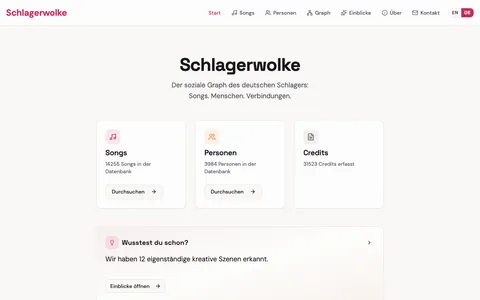
El grafo social de los créditos del Schlager alemán: quién escribió qué, quién lo interpretó y de dónde salieron los datos. Construido y mantenido por dos agentes de IA que se ejecutan en local según un cron: Crawler, que decide qué merece la pena leer, y Sherlock, que lo lee y registra cada dato que encuentra — incluidos los que contradicen lo que ya hay, porque una contradicción es un dato y no un error. 14.000 canciones, 3.000 personas, 31.000 créditos, y subiendo (a 29/09/2026), cada uno con su fuente y su índice de confianza.
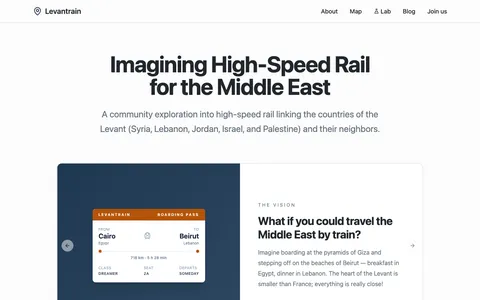
Una iniciativa de construcción de paz que imagina un Oriente Medio (re)conectado por tren de alta velocidad. Un sofisticado pipeline de georreferenciación convierte mapas topográficos escaneados de los siglos XIX y XX en geodatos utilizables, con precisión medida. Cada registro lleva su fuente. El conjunto de datos completo es de código abierto.
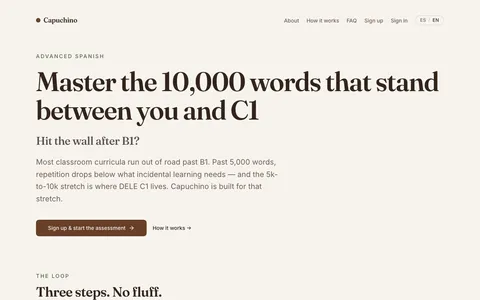
Un entrenador de vocabulario para estudiantes avanzados de español que preparan el DELE C1: las 10.000 palabras de mayor frecuencia. Una prueba breve, estratificada por bandas de frecuencia, estima dónde se acaba tu vocabulario — el muro con el que se topa la mayoría al pasar el B1 —, y la aplicación trabaja la cola larga que queda más allá; después exporta a la herramienta de repetición espaciada que ya uses. Un pipeline aparte en Python construye y ordena la lista. Yo soy el usuario objetivo: la desarrollo contra mi propia preparación del examen.
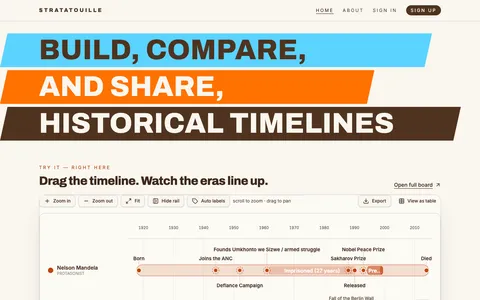
Líneas de tiempo históricas a escala y de múltiples carriles, pensadas para la comparación visual: ver qué se solapó con qué. Importación de datos estructurados de Wikidata con un solo clic, y toda la aplicación funciona en inglés y español.
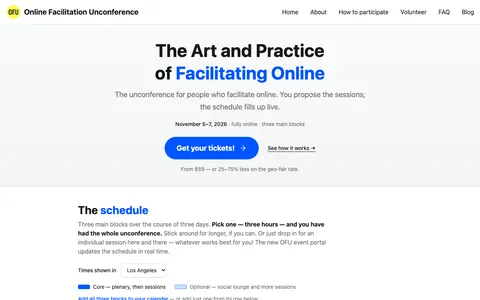
Sistema operativo del evento para OFU 2026, un encuentro virtual que impulsé en 2013. Onboarding autogestionado de socios y patrocinadores, planificación de sesiones tipo unconference dirigida por los participantes, gestión de voluntarios y generación de informes del evento.
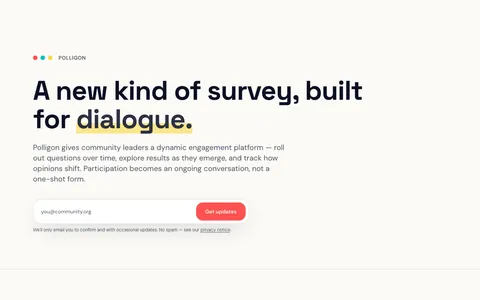
Repensar la encuesta en línea: las preguntas se despliegan a lo largo del tiempo, los participantes ven emerger los resultados y se registran los cambios de opinión. Ágil, donde la encuesta tradicional es cascada. La especificación se puso a prueba antes de construirla: una revisión adversaria del documento de requisitos sacó a la luz 58 problemas, 14 de ellos lo bastante graves como para bloquear, cuando todavía salían baratos.